Tu cuerpo ya tiene la respuesta.Nuestro test la hace visible.
Empezamos por lo esencial: un autotest de pH vaginal que te permite saber, en minutos, si tu equilibrio vaginal se salió de rango. Sin esperas, sin suposiciones, sin tratamientos a ciegas.

El equilibrio vaginal es una forma de protección.
Un ecosistema vaginal sano mantiene hongos y bacterias en balance, protegiendo frente a infecciones, ETS, cáncer de cuello uterino y complicaciones en el embarazo. Cuando ese balance se rompe, el sistema inmune se debilita y aparecen las infecciones. Entender qué está pasando — y cuándo — es el primer acto de autonomía.
La recurrencia no es mala suerte: es un diagnóstico que llega tarde, o equivocado.
El tabú, la urgencia de los síntomas y la falta de información llevan a la automedicación. Como los antibióticos requieren fórmula médica, muchas mujeres recurren a antifúngicos para todos los casos. Hoy en Colombia las únicas alternativas son el frotis o el cultivo: días de espera y múltiples consultas.
65%
de las mujeres en edad reproductiva tienen al menos una infección vaginal al año
40%
de los diagnósticos basados solo en síntomas clínicos son incorrectos
2 de 3
casos terminan en una automedicación equivocada
238
mujeres colombianas encuestadas para validar el problema
39%
busca asistencia médica
34%
espera a que pasen los síntomas
25%
acude a una farmacia por tratamiento
Medeva pH: el control empieza por conocer tu equilibrio.

El pH vaginal saludable es ácido (3.8–4.5). Las infecciones bacterianas lo alcalinizan. Medir ese cambio es la forma más simple, rápida y no invasiva de saber si algo se movió — y de hacerle seguimiento en el tiempo.
- Autotoma privada
- 3.8 – 4.5
- Resultado en minutos
Autonomía, no dependencia
Tú tomas la muestra
Autotoma sencilla de flujo vaginal, en casa, sin laboratorio ni consulta previa.
Tú lees el resultado
Una escala de color clara: sabes de inmediato si tu pH está dentro o fuera de rango.
Tú haces seguimiento
Ideal para vigilar la recurrencia y entender tu propio patrón a lo largo del tiempo.
Tú decides con información
Llegas a la consulta con un dato objetivo, no solo con síntomas.
Qué permite diferenciar
El pH no es un detalle: es el biomarcador que separa las causas más frecuentes de flujo alterado.
pH elevado (> 4.5)
Compatible con vaginosis bacteriana o tricomoniasis. Indica alcalinización del ambiente vaginal y orienta hacia tratamiento con antibiótico bajo criterio médico.
pH normal (3.8–4.5)
Hace poco probable la vaginosis bacteriana. Frente a síntomas, apunta a candidiasis u otras causas no infecciosas — donde el antifúngico sí tiene sentido.
Lo que evita
Usar antifúngicos de venta libre para una infección bacteriana: el error más común y la causa principal de recurrencia.
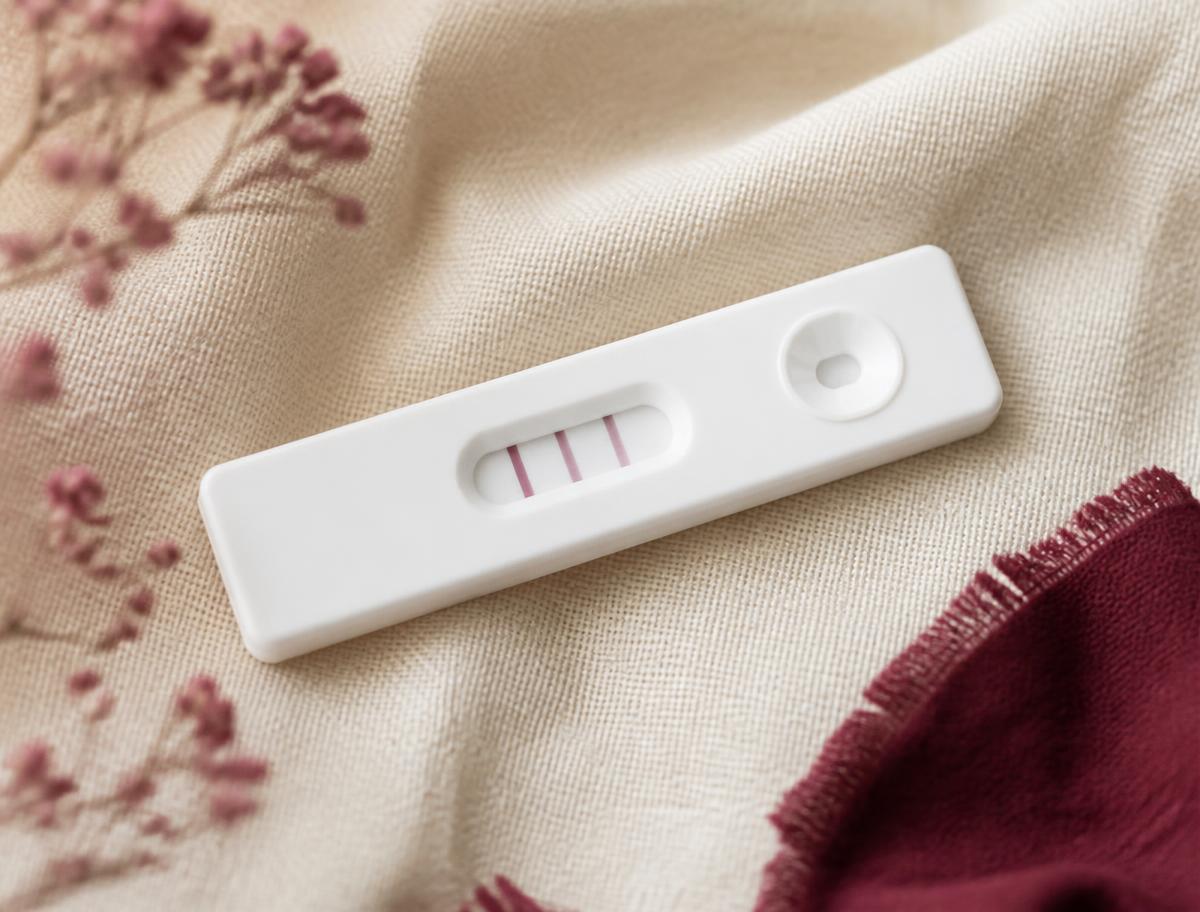
Lo que viene: Medeva Trio
En desarrollo: un ensayo de flujo lateral 3 en 1 que distinguirá vaginosis bacteriana, candidiasis (Candida albicans, detrás del 90% de los casos) y tricomoniasis (Trichomonas vaginalis) en un solo casete. Nuestro siguiente paso, después del pH.
01
Autotoma
Una muestra de flujo vaginal, tomada por ti, en la privacidad de tu casa.
02
Lectura
El resultado aparece en minutos: el cambio de color de la escala de pH.
03
Decisión
Sabes si tu pH está en rango. Consultas con claridad y tratas lo correcto.
Qué causa realmente la vaginitis
La distribución de causas se conoce bien. Lo que faltaba era una forma de saber, en cada caso, cuál está ocurriendo.
Fundamentos
El pH como biomarcador. El pH vaginal sano es ácido, entre 3.8 y 4.5. La vaginosis bacteriana lo eleva, lo que permite un tamizaje simple y no invasivo.
Especificidad clínica. Un pH normal hace poco probable la vaginosis bacteriana; un pH elevado orienta hacia causas bacterianas o tricomoniasis en lugar de candidiasis.
Validación local. Encuestamos a 238 mujeres colombianas: el 82% ha tenido síntomas alguna vez y el 73% de ellas tuvo una o más infecciones en el último año.
Del síntoma al criterio, en la misma consulta.
Diagnóstico en el punto de atención que reduce consultas de seguimiento, evita la prescripción empírica y acorta el camino al tratamiento correcto. Sin cultivo, sin días de espera.
Basado en ciencia
Para que ninguna mujer tenga que tratarse a ciegas otra vez.
Estamos construyendo acceso a diagnóstico rápido en Colombia. Si quieres ser de las primeras en probarlo, distribuirlo o llevarlo a tu práctica, escríbenos.
madibiodesign@gmail.com